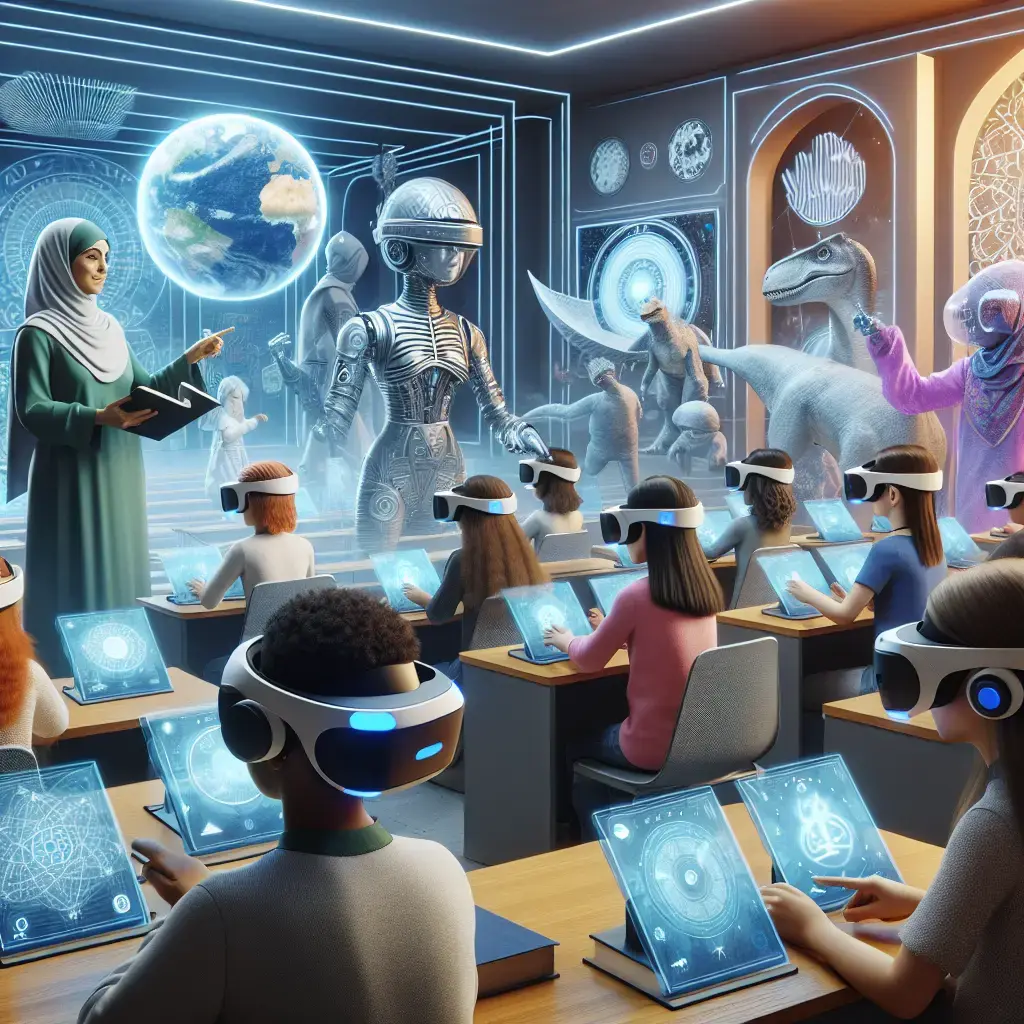
In recent years, the integration of technology into education has led to significant changes in traditional teaching methodologies. At the forefront of this transformation is virtual reality (VR), which is enhancing classroom learning experiences in unprecedented ways. As we explore the future of VR in classrooms, it becomes clear that this technology holds the potential to redefine educational landscapes by introducing innovative VR learning tools and immersive classroom technology.
Transforming Education with Virtual Reality
Virtual reality teaching methods present unique opportunities for students to engage with complex concepts in a three-dimensional space. This immersive approach not only supports innovative learning with VR but also enhances student engagement by making lessons more interactive and memorable. For instance, students at Hong Kong Polytechnic University developed a VR device to improve productivity for individuals with ADHD, showcasing how virtual reality in education can address diverse needs source.
VR Educational Benefits and Classroom Integration
The benefits of VR classroom integration go beyond increased engagement. With VR educational trends rapidly evolving, educators can craft curricula that allow students to explore subjects like history or biology in unprecedented ways. This approach aligns well with virtual reality curriculum development efforts, ensuring that VR educational benefits are maximized while adhering to educational standards. NASA's use of simulated missions, such as the Mars mission at HERA, exemplifies how VR can be used to teach students about space exploration in a captivating manner source.
Case Studies: Real-World Applications of VR in Education
Exploring practical examples further illuminates the transformative power of VR. Montgomery officials planning a civil rights march in the metaverse demonstrate how virtual environments can foster a deeper understanding of historical events by allowing global participants to engage alongside those on the ground. Such initiatives highlight the potential of VR in K-12 education to create immersive experiences that bring history to life.
Moreover, the MHESI Fair 2024 in Thailand showcased advancements in AI, virtual, and augmented reality, emphasizing how these technologies are shaping the future of education technology. The fair's exhibits underline the importance of VR classroom integration in preparing students for a technologically advanced world.
Innovative Learning with VR: Addressing Diverse Needs
One of the most promising aspects of VR is its capacity to cater to diverse learning profiles. The integration of custom AI solutions with VR can create more inclusive learning environments for students with special education needs. This customization ensures that all students can benefit from VR learning experiences tailored to their unique requirements source.
Designing the Future: Student Innovations and VR
Student-led projects often offer a glimpse into future classroom innovations. At Arts University Bournemouth, students have incorporated VR into their design processes, illustrating how VR learning tools can be used beyond traditional academic subjects. Their projects include fashion collections and wellness centers, demonstrating how VR can inspire creativity and innovation across disciplines source.
The Road Ahead: Enhancing VR Educational Experiences
As we look towards the future of education technology, it is crucial to focus on refining VR learning experiences to ensure they are educationally effective and logistically feasible. This involves not only improving the technology itself but also developing robust virtual reality curriculum development frameworks that integrate seamlessly into everyday learning.
Challenges and Opportunities: Overcoming Barriers to Adoption
Despite its potential, the widespread adoption of VR in education faces challenges such as cost, accessibility, and training. However, these barriers present opportunities for innovation and collaboration among educators, technologists, and policymakers. By addressing these challenges head-on, the education sector can unlock the full potential of virtual reality teaching methods.
Conclusion: Embracing Virtual Reality for Future Learning
The transformative potential of virtual reality in education is both profound and promising. As we reflect on the advancements discussed, several key points emerge:
Enhanced Engagement: VR creates immersive learning experiences that captivate students, making lessons interactive and memorable. By allowing learners to explore complex subjects in a three-dimensional space, VR fosters deeper understanding and retention.
Curriculum Integration: As VR technology evolves, so does its integration into diverse curricula. From historical simulations to biology explorations, VR enriches educational content by providing students with hands-on experiences that are both innovative and aligned with educational standards.
Diverse Needs and Inclusivity: VR's adaptability ensures it caters to a wide range of learning profiles. By integrating AI solutions, VR can address special education needs, creating inclusive environments that accommodate all students' unique requirements.
Real-World Applications: Case studies illustrate VR's potential to bring subjects like history and science to life. By simulating real-world scenarios, VR allows students to engage with content in a meaningful way, enhancing their educational journey.
Future Innovations: Student-led projects highlight VR's role in fostering creativity across disciplines, from design to wellness. These innovations offer a glimpse into the future possibilities of VR in education, inspiring both educators and learners alike.
Despite facing challenges such as cost and accessibility, the opportunities for VR in education are immense. By overcoming these barriers through collaboration and innovation, we can harness VR's full potential, preparing students for a technologically advanced future.
As we look ahead, it's crucial to refine VR educational experiences to ensure they are effective and feasible. This involves developing robust frameworks that seamlessly integrate VR into everyday learning, unlocking its capabilities to enhance traditional pedagogies.
We invite you to share your thoughts and experiences with VR in education. How do you envision its role in shaping future learning environments? Your insights could pave the way for new explorations in this exciting field.
Author: Oliver Chandler