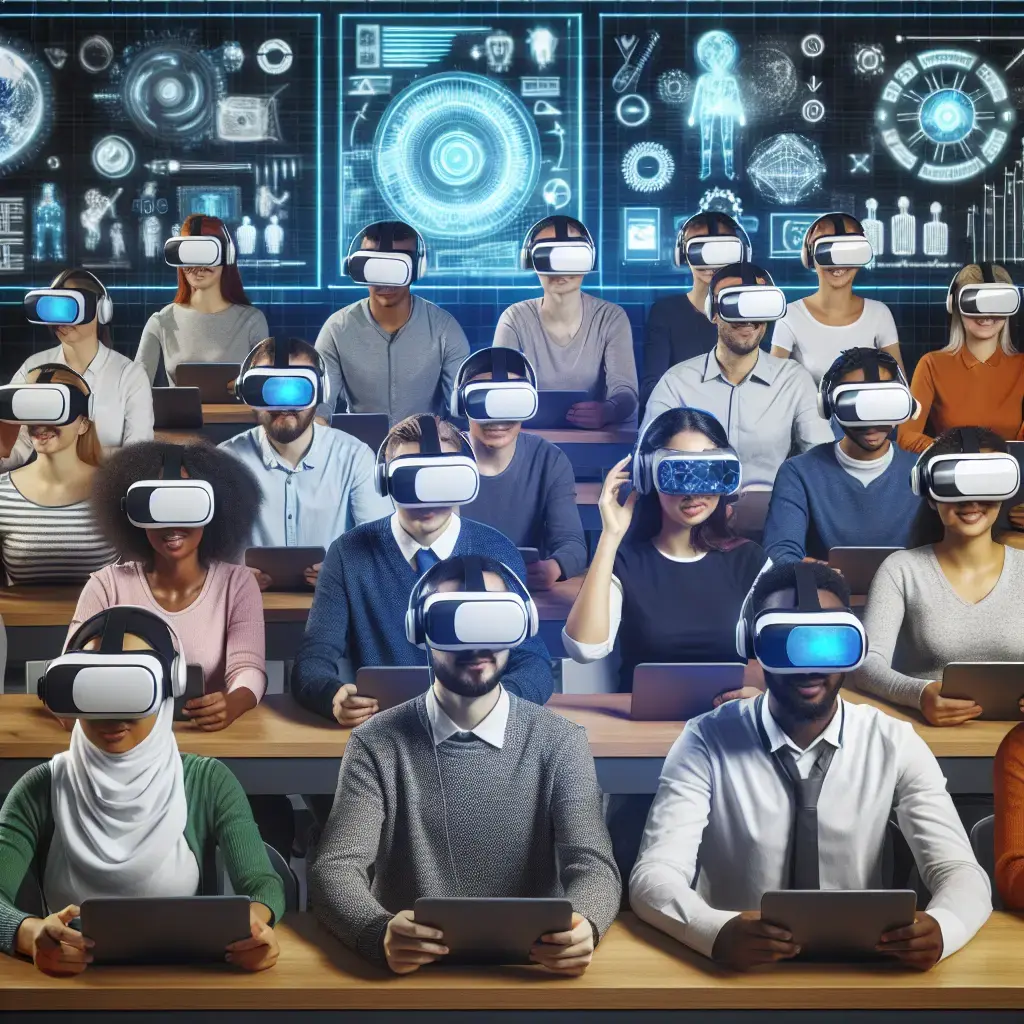
Embracing Virtual Reality for Inclusive Education
In the rapidly evolving landscape of education technology, virtual reality (VR) stands out as a transformative tool poised to revolutionize inclusive education. It is not just a futuristic concept but a current reality reshaping teaching and learning approaches. VR offers immersive experiences beneficial for special needs students, fostering more inclusive learning environments. With VR educational tools, educators can create adaptive learning experiences tailored to diverse learners' needs, prioritizing accessibility in virtual reality.
In the modern educational landscape, VR is emerging as a game-changer, particularly in fostering inclusive education. The integration of VR technology into educational settings offers immersive learning experiences that bridge traditional barriers, promoting accessibility and inclusivity. This section explores how VR is transforming education for diverse learners, with a special focus on its application for students with special needs.
The Promise of Immersive Learning Experiences
Virtual reality in education goes beyond a technological novelty; it's a paradigm shift that allows learners to engage with educational content in unprecedented ways. By creating immersive environments, VR enables students to interact with simulations and virtual spaces catering to various learning styles and needs. For instance, students at Hong Kong Polytechnic University developed a VR device aimed at improving productivity for individuals with ADHD. This project highlights how VR can be tailored to specific educational requirements, offering personalized experiences that enhance concentration and engagement.
VR for Special Needs Students: A Transformative Approach
The use of VR for special needs students is particularly transformative. Utilizing VR educational tools, educators can design inclusive teaching methods catering to each student's unique abilities. These tools enable the creation of virtual reality classrooms where students with physical or cognitive challenges can fully participate. For example, NASA's simulated mission to Mars incorporates VR to create realistic environments challenging participants cognitively and physically, demonstrating VR's potential in adaptive learning scenarios.
Incorporating assistive technology in education through VR helps break down barriers often faced by students with special needs. This technology creates a more inclusive learning environment where students can engage without the limitations imposed by traditional teaching methods.
Bridging Gaps with VR for Diverse Learners
One of the most compelling aspects of VR in inclusive education is its ability to serve as an equalizer. VR for diverse learners creates opportunities to overcome socioeconomic and physical barriers, providing access to quality education for all. The integration of VR into inclusive curriculum design supports adaptive learning experiences, allowing each student to learn at their own pace and preferred style.
The metaverse initiative in Montgomery, commemorating civil rights movements through virtual participation, exemplifies how VR can create shared experiences transcending geographical and physical limitations. This approach not only promotes educational equity but also empowers students to engage in historical and cultural learning experiences personally and profoundly.
Enhancing Accessibility in Virtual Reality
Ensuring accessibility in virtual reality is crucial for maximizing this technology's potential in education. Recent advances showcased at the MHESI Fair 2024 highlight AI and robotic technologies enhancing virtual environments, making them more accessible and interactive. These developments underscore the importance of designing VR environments inclusive by default, accommodating all learners regardless of their individual challenges.
The intersection of AI and VR also presents new opportunities for creating custom solutions addressing special education needs. AI-powered storytelling and personalized learning pathways are just a few examples of how these technologies can converge to create more effective educational tools.
The Role of VR in Adaptive Learning and Curriculum Design
Adaptive learning with VR allows educators to tailor educational content to individual student needs. This approach supports inclusive curriculum design by providing flexible learning paths adapting to various learning paces and styles. Projects from Arts University Bournemouth, including diverse design solutions like fashion collections promoting inclusivity, illustrate how creativity and technology can merge to support diverse learning environments.
As VR continues evolving, its role in adaptive learning will likely expand, offering even more refined tools for personalized education. This evolution represents a significant step forward in achieving VR for education equity, ensuring every student has the opportunity to thrive.
Success Stories and Practical Applications
Numerous success stories highlight VR's practical applications in inclusive education. For example, the RockSat-X mission launched by NASA demonstrates how VR and other advanced technologies facilitate hands-on learning experiences for students, inspiring them to pursue STEM fields. Such initiatives showcase VR's potential to provide engaging, real-world learning opportunities extending beyond traditional classroom settings.
Furthermore, collaborations between educational institutions and technology companies drive innovation in this space. By leveraging the latest advancements in AI and machine learning, educators can create dynamic learning environments that are both inclusive and effective.
Looking Ahead: The Future of Inclusive Education Technology
As we look towards the future, it's clear that virtual reality will play an increasingly important role in shaping inclusive education. The ongoing developments in VR technology promise even more sophisticated tools for educators, enabling immersive learning experiences accessible to all students.
The potential of virtual reality accessibility is vast, offering new ways to engage learners and support diverse educational needs. As institutions continue exploring and implementing these technologies, we can anticipate a future where inclusive education is not just an ideal but a tangible reality for every student.
Conclusion: The Transformative Potential of VR in Inclusive Education
By embracing virtual reality as a tool for inclusive education, we unlock transformative potential redefining learning experiences for all students. Here's a recap of the key points discussed:
- Immersive Learning Experiences: VR offers unique environments catering to diverse learning styles.
- Special Needs Students: Provides transformative tools allowing full engagement for students with challenges.
- Bridging Gaps: Acts as an equalizer, overcoming barriers and promoting educational equity.
- Enhancing Accessibility: Advances ensure inclusive learning experiences for all.
- Adaptive Learning and Curriculum Design: Supports tailored content adapting to individual paces and styles.
- Success Stories: Initiatives demonstrate engaging real-world opportunities beyond traditional settings.
Looking ahead, virtual reality's evolving role in inclusive education will continue offering sophisticated tools ensuring accessibility and engagement for every student. As we explore these innovations, I invite you to share your experiences and insights on VR's impact on education. Your reflections can inspire further dialogue toward achieving truly inclusive educational environments.
Let's continue pushing the boundaries of what's possible with virtual reality, turning the vision of inclusive education into a vibrant reality.
Oliver Chandler